

Where Math Gets Glamorous, Kyne Santos on drag, laughter, and learning differently
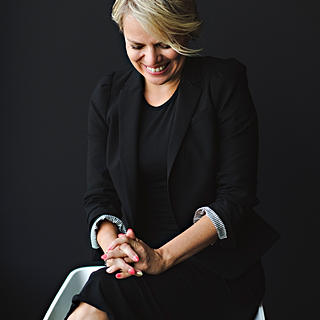
Kyne Santos has found a way to make math feel joyful, human, and radically inclusive. Blending drag, humour, and science communication, Kyne invites people to rethink who math is for and how learning can happen. In this conversation, Kyne reflects on the moment their work shifted from experiment to movement, the power of laughter in breaking down walls, and what it means to create space for people to feel seen through both intellect and art.
Kyne Santos Kyne Santos Kyne Santos "Turns our math loves sequins" quote byKyne Santos Kyne Santos
Can you take me back to your very first math video? What were you teaching, what do you remember about that moment, and what surprised you most once people started responding?
My first math video was the following riddle: if a dress and a pair of shoes together cost $100 in total, and the dress is $99 more expensive than the shoes, how much are the shoes? It was emblematic of the types of riddles I love, ones where the correct answer isn’t the first one that may come to mind (the answer is 50 cents, not $1). People loved learning math through a fresh new lens: from a drag queen in her dressing room rather than a typical teacher.
You’ve built a presence where drag, math, and science communication all meet, blending glamour, intellect, and a lot of heart. When did it first hit you that you weren’t just doing something new, you were creating a movement?
When I started receiving messages from folks saying that they felt seen and represented by me, that was when I knew this was powerful.
You’ve talked about breaking down stereotypes, that math can be expressive and drag can be smart. Is there a moment or message from someone that’s really stayed with you, the kind that made you think, this is why I do it?
I have heard from followers of mine that my videos helped their parents get over some of their homophobia, which is super important to me.
You went from Canada’s Drag Race to building a global platform that inspires people to think differently about both math and art. Looking back, what part of that experience still shapes how you show up today, on stage, online, or in life?
The gift of drag is that it allows us to somewhat hide behind larger than life personas and characters. I’ve learned not to take criticism too seriously, and compartmentalize my offline self and “onlinekyne”. I’ve also learned to be okay with failing and embarrassing myself. After lip syncing for my life on TV, nothing intimidates me anymore, because I see everything as a fun learning experience now, rather than as wins or losses.
When you’re speaking at events or performing for an audience, what’s the moment you love most, that instant when you can actually feel the room light up or connect?
I love making people laugh! As much as I like music and drag and math, laughter is the thing that always brings people together and brings walls down.
It takes a lot of energy to stay open and authentic right now. How do you protect your peace and keep your spark, especially knowing how many people look to you for inspiration?
I’m trying to live more offline. I’ve started going back to journalling, playing instruments, and doing personal coding projects.
Bonus Question: If you could carve out a little creative escape just for yourself, what would it look like, something that would make you smile every time you thought about it?
Jamming along to disco music on my guitar.
What stayed with me after talking with Kyne was how much joy is woven into the work. It’s smart and thoughtful, but also incredibly generous. By inviting people to laugh first, the door to learning, empathy, and connection opens in a way that feels genuinely welcoming.
You can explore more here: https://www.onlinekyne.com/
This series grows through word of mouth and the creative people who point me toward the next great conversation. If someone has been inspiring you lately, I’d love to hear about them.
Until next week, Christine

