

Making Space for the Story. A conversation with Jonathan Bielaski
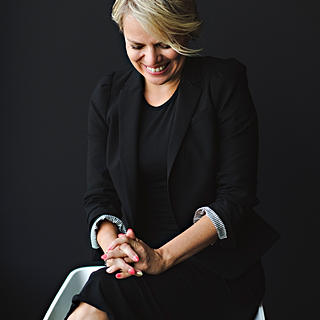
Jonathan Bielaski’s photography has taken him everywhere from quiet studios to wide open fields, but what interests him most is always the same. Who someone is, what they care about, and how their environment shapes that story.
His work focuses on people doing what they love, often with their hands, in spaces that feel lived-in and real. That instinct led him to For the Love of It!, a long-running project rooted in stripping things back. No Photoshop. No shortcuts. Just people, their tools, and the work that matters to them.
In this conversation, we talk about trust, burnout, good teams, and why having a passion project on the side isn’t optional if you want to stay curious for the long haul.
Farmer in field, photo by Jonathan Bielaski
You have spent so much of your life photographing people, and your portraits always feel honest in a way that is very you. When did you first realize that telling people’s stories through images was where you felt at home?
I have always been fascinated with people’s stories and with the relationship with their spaces: work, home, fun or otherwise from a young age. When I was diving deep into digital creations in my commercial work, I needed some other inspiration, and Yosif Karsh’s body of work has always resonated with me. I wanted to do a project that was NO PHOTOSHOP, and right out of camera. Bring back to the roots of film photography in the digital age. That was almost 15 years ago now.
Your work takes you into so many different spaces, from quiet studios to wide open fields. How does being in a new place shift the way you look, listen and shoot?
Every place is different, and this is always a complex puzzle that needs to be solved. What to include and what to exclude, what to light and what to let fall into the shadows. This gives the ability to create one image that will tell a story and let the viewers look for all the details that are there.
People tend to relax around you, which shows in your photos. What helps you create that sense of comfort when someone steps in front of your camera for the first time?
This is part of what I do that is most enjoyable for me: working with real people in real locations. I do a ton of research about the people I photograph to have things in common to talk about before I go and meet them. Then we just sit and chat for a bit, listening to people talk about the passions they have and really spending time just getting to know each person, creating a bond that relaxes them, and they forget about the camera. Also, having the tech side of photography down to a science lets me just focus on them and not worry about what lights and camera we are using or if it will turn out.
We have worked together for years, so I know how much you value a good team. What kind of collaboration brings out your best work and makes the whole day feel right?
As I said before, not worrying about the technical or details is essential for creating a good environment for creativity, and having the right team for this is a part of that. From my producer who will organize everything to my assistants on set that I have been working with for years, we all know what is happening and what is expected, so things can go on without much distraction, and the set is never frantic.
For the Love of It! feels deeply connected to who you are. What made you want to focus on people who care about their craft and the work they do with their hands?
I think this is the side of people that everyone needs to talk about. We always ask people what they do for a living, and usually the answer is the career they have, but really what we should be asking is what is your passion... This can be what you do for a living, but really what would you do if you did not need to make any money? Hence the project: For the Love of It! All these people do what they love and love doing it. It is their calling and passion.
When a day on set feels long or tough, what helps you settle back into yourself and reconnect with why you love this work?
Long days and production are part of the job, but you do need to be careful. Burnout is a real thing in the Still and Motion image arts, and I have been there. Having a passion project on the side of the work that you get paid for is a real key. Keep learning and exploring new things. Sometimes I will go to a different place I have never been and take images that no one will ever see except me, but that is okay if it helps me get inspired. Meeting new people in new places and experiences is always refreshing my creative spark.
Bonus Questions: What is something that brings you joy on set that most people would not notice?
One of the little things that brings joy to myself on set is having really nicely crafted tools to work with. For example, if your camera feels good, it almost becomes an extension of you, and you stop thinking about it.
Another thing is good food… I always try to have good food on set.
What stayed with me after this conversation wasn’t a single photograph or project. It was Jonathan’s commitment to presence. To slowing down. To creating the conditions where people can relax enough to be themselves.
There’s a quiet confidence in that approach. Knowing your tools so well you stop thinking about them. Building a team you trust so the work never feels frantic. Making space for passion projects, even if no one ever sees the results. It’s a reminder that good creative work rarely comes from pushing harder. It comes from paying closer attention.
Jonathan’s work makes the case for care as a creative practice.
Care for people. Care for craft. Care for the long game.
You can explore more of Jonathan’s work at lightimaging.ca
This series grows through word of mouth and the creative people who nudge me toward the next conversation. If someone comes to mind whose creativity inspires you, send them my way.
Until next week, Christine


